01 / Air
Commercial HVAC
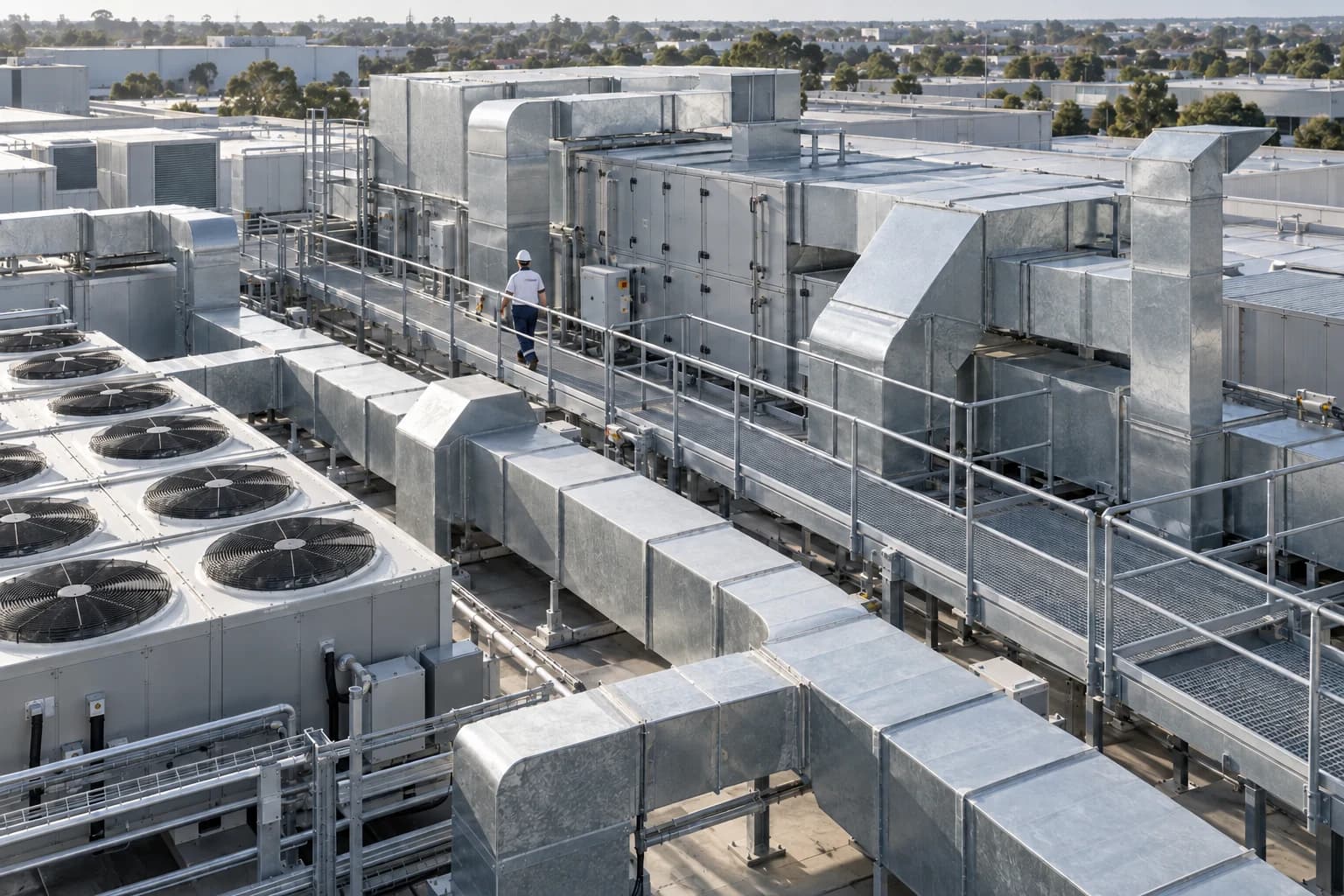
HVAC optimisation, plant efficiency and climate control in an easy-to-use interface for facilities managers.
Explore Air services
BMS & Controls
HVAC optimisation, plant efficiency and climate control in an easy-to-use interface for facilities managers.
Air, fire and water
BMS can make supported systems easier to observe and manage. Each connection depends on installed equipment, available interfaces and agreed scope.
HVAC optimisation, plant efficiency and climate control in an easy-to-use interface for facilities managers.
Explore Air services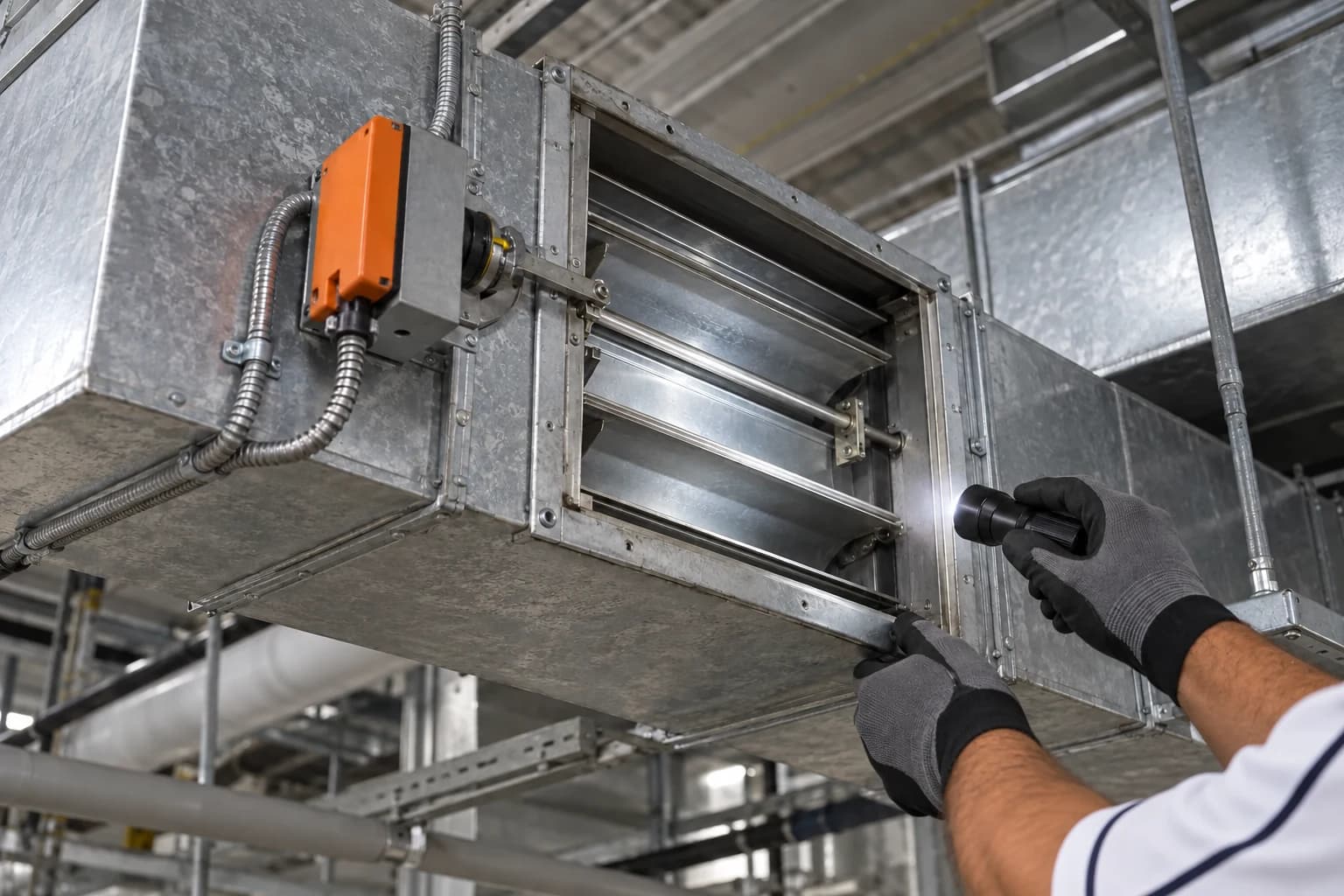
View available status and fault signals from mechanical systems without replacing dedicated fire-safety controls.
Explore Fire services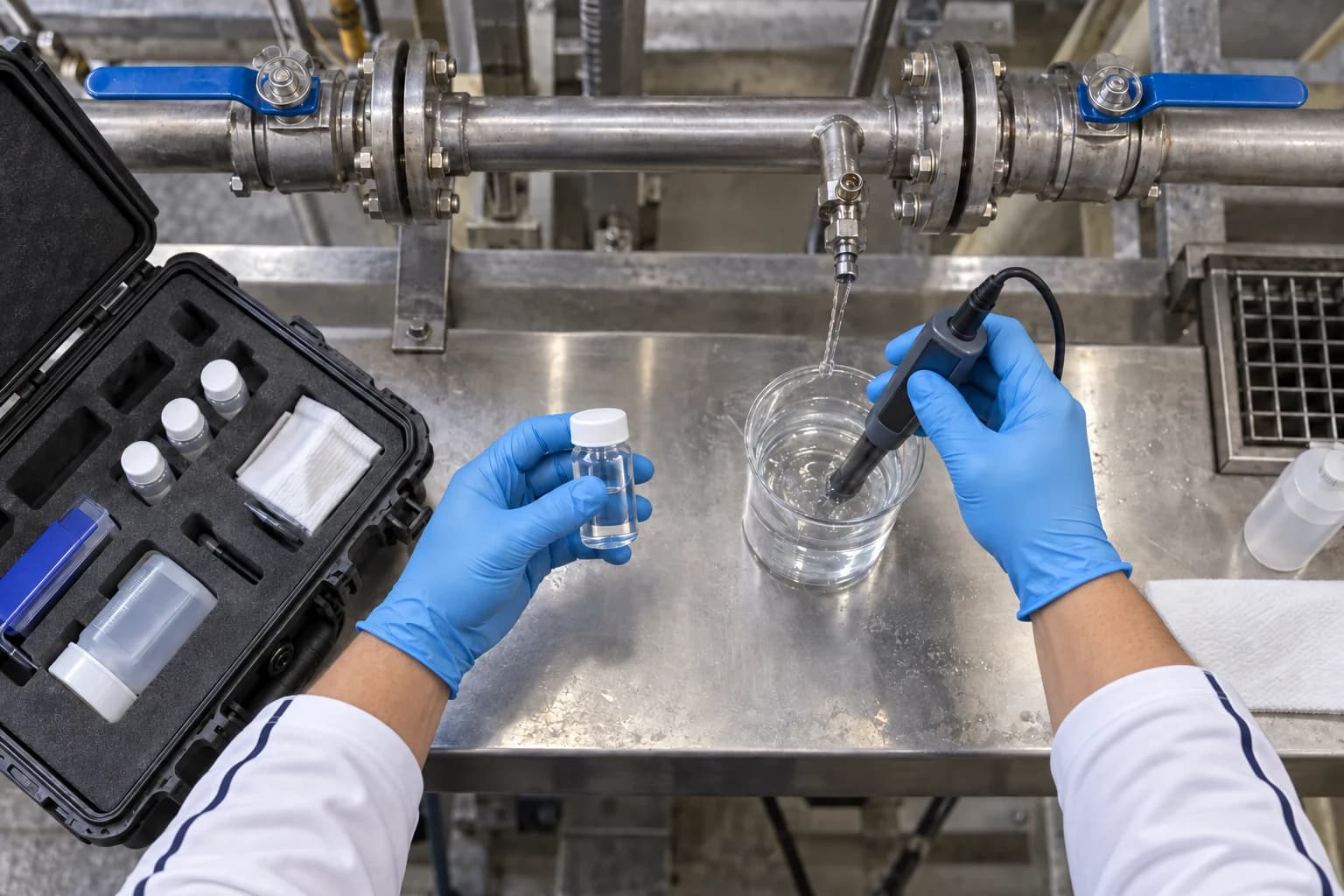
Connect available meters and system signals to investigate water-use patterns and inform future efficiency work.
Explore Water servicesBMS visibility does not replace dedicated fire-safety controls, required testing or specialist responsibilities.
What BMS can support
Controls are useful when the information they provide helps the people running the building understand what to do next.
Building performance
Practical evaluation connects real-world service data and commissioning data with as-designed system data, customer costs and environmental priorities to deliver the most efficient BMS strategy.
Fine-tune controls, operating schedules and system settings to match how your building is used. Review performance data to improve comfort, reduce unnecessary plant run time and guide ongoing adjustments.
Review available operating data and schedules to find opportunities for more efficient operation.
Where meters and interfaces allow, observe water-use patterns and assess possible improvements.
Chiller optimisation and boiler staging, advanced timing formulas for simple ramp-up and ramp-down controls, enthalpy algorithm analysis, and occupancy monitoring coupled with CO monitoring.
Use trends, faults and service history to consider remaining useful life and whether to maintain, repair or replace equipment.
Agree a baseline and relevant measures before reviewing the effect of any improvement work.
The technical offer, baseline, measures and evidence are developed with each client and the Noppen team. No saving or environmental result is assumed in advance.
Controls in operation
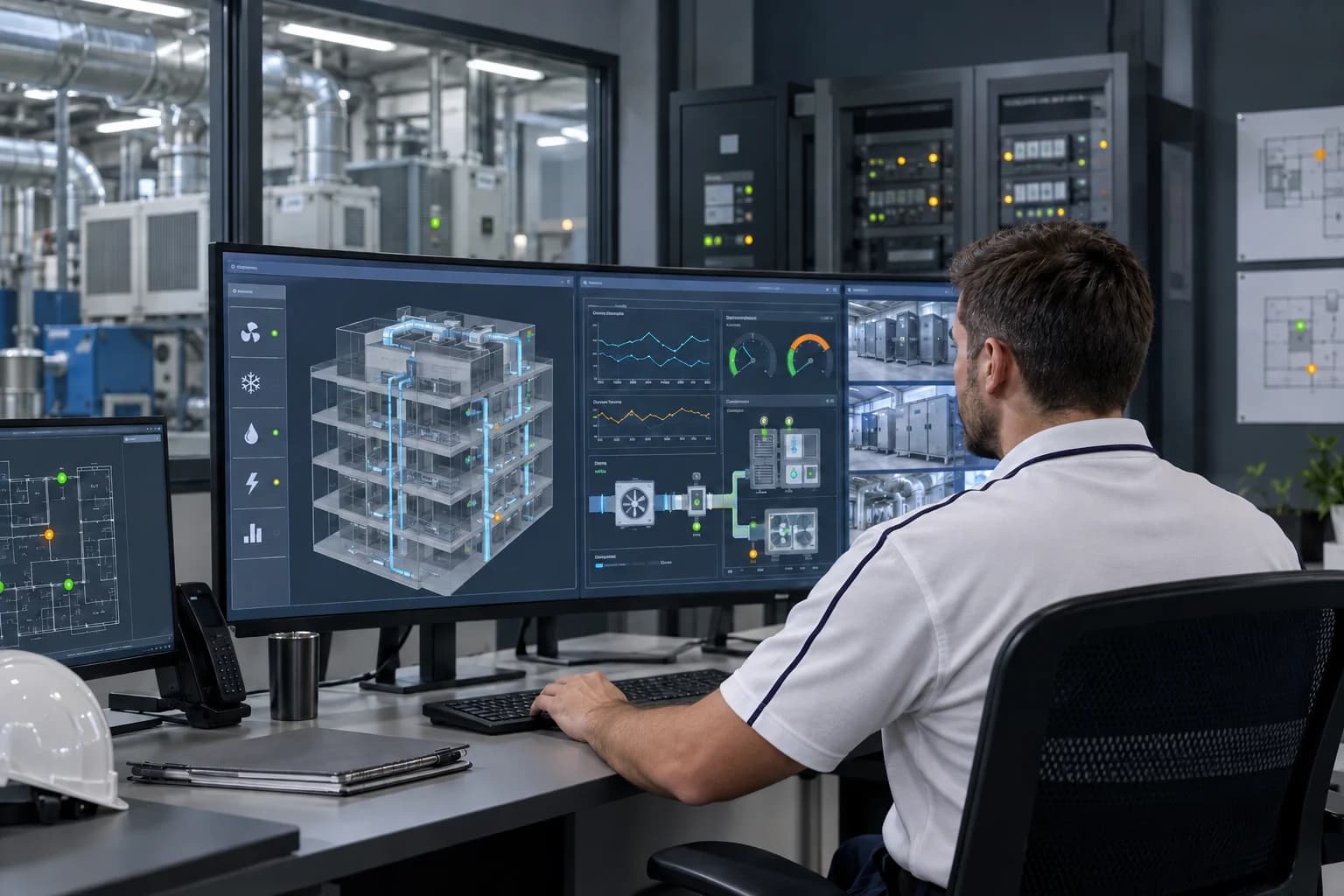
A building management system is useful when its information answers an operating question. Before promising a dashboard, upgrade or optimisation, the team needs to know what is installed, which points are connected and whether the displayed data agrees with the plant.
Buildings do not all start with the same controls architecture. One building may have a basic relay interface rather than a high-level connection. Another may have a Niagara framework system.
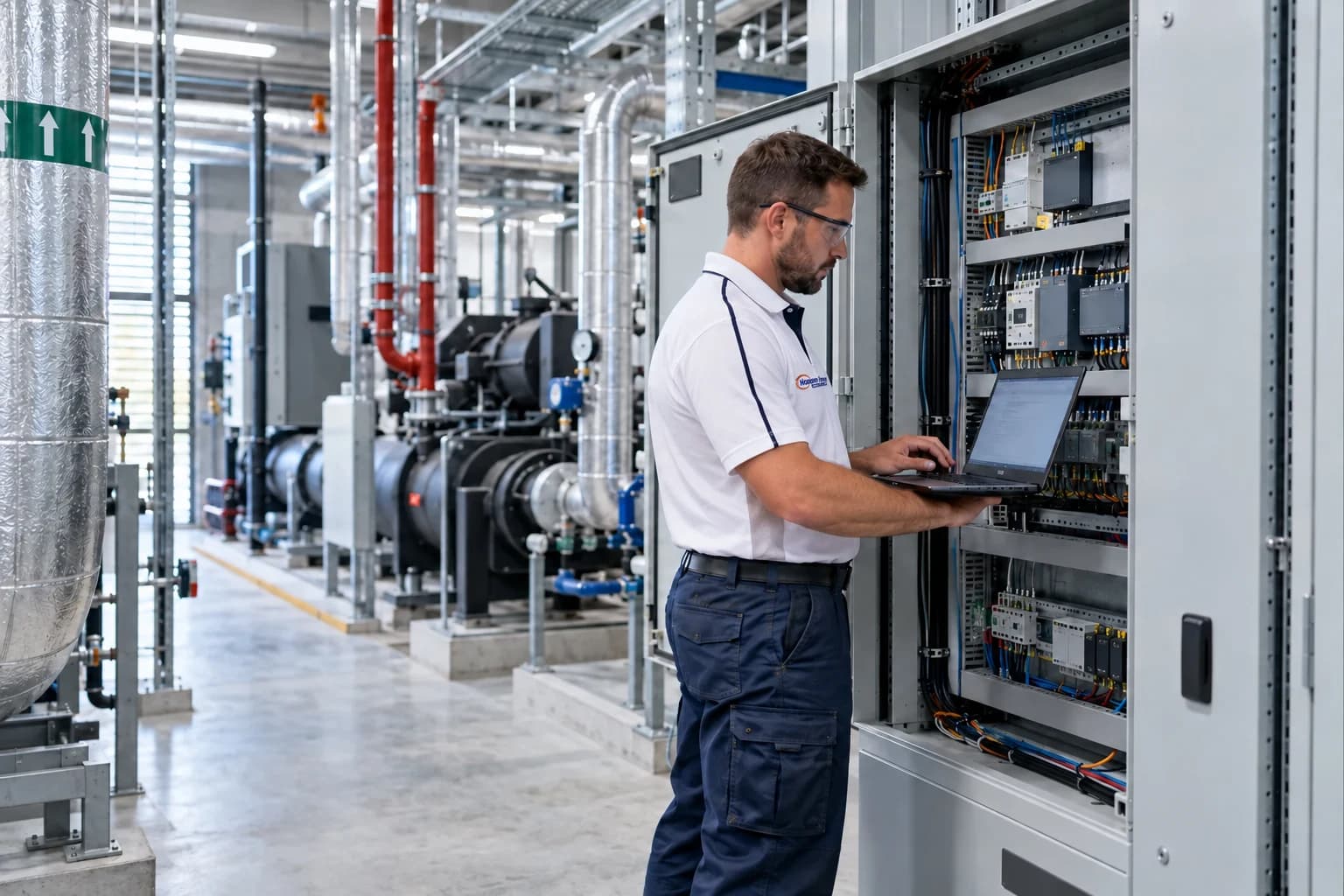
A first review therefore identifies the controller and head-end platform, access permissions, connected equipment, available points and any missing items. It should also establish what the facilities team wants to know: why a zone is uncomfortable, why an alarm repeats, whether a schedule matches occupancy or whether a proposed upgrade can use the existing infrastructure.
A trend or alarm is a starting clue, not a complete diagnosis. The recorded BMS maintenance scope may include time settings, inputs and outputs, control loops, overridden points, alarm and history databases, sensors and backups. Those checks help establish whether the system is collecting information that can be trusted before anyone changes a sequence or uses a graph to justify a decision.
Field devices matter as much as software. A sensor in the wrong airflow path can report a misleading room condition. An actuator can fail to move even when a command appears on screen. Loose wiring, a controller fault or a mechanical problem can produce similar symptoms for the building user. A sound investigation compares the displayed state with what the equipment is doing.
At Fairfield Admin Centre, a service report describes a review of BMS logs for a meeting room and a hot-water alarm. The investigation identified airflow affecting a wall sensor and a boiler fault that recurred before the technician left. It is a useful example of why a screen alone cannot prove that a programming change will fix the underlying problem.
The next action depends on the finding. It may be a sensor relocation, plant repair, further monitoring or a scoped controls change. The record should distinguish the temporary action taken on the day from a recommended permanent repair. Where a fault remains open, the visit cannot be described as a completed optimisation.
Maintenance may include reviewing alarms, histories, overrides, controller condition and saved configurations. A change to programming, a replacement actuator or a new interface needs a defined scope and a way to check the result. A record, for example, separates maintenance findings from a later quotation for actuator replacement and programming work; the quotation is not evidence that the replacement was completed.
For an upgrade, the team and client should agree what points will be connected, who can command equipment, what alarms matter, how schedules will be managed and what handover will include. Where a building remains occupied, changeover and fallback arrangements should be planned with the facilities team.
HVAC schedules, temperatures, fan status and plant faults can help a facilities team see patterns that are difficult to reconstruct from separate service calls. Water meters or mechanical fire status may also be visible where suitable interfaces exist. The available picture depends on the installed sensors, communication paths and permissions; a building with limited head-end access will not provide the same detail as a fully connected site.
Dedicated fire-safety controls and testing responsibilities remain in place even when status is shown in a BMS. Similarly, a water-use trend does not replace sampling or treatment records. The value of integration is a clearer operating view and a better starting point for investigation, within the actual system boundaries.
A controls change can adjust an operating schedule or remove a persistent fault, but a performance claim needs evidence. Before work begins, agree the baseline, the measure to be tracked, the period of comparison and any other changes that could affect the result. An alarm cleared at one visit is a documented event; a lasting reduction in cost or energy needs follow-up data.
The control-board project summary reports shorter HVAC plant run periods after reprogramming, but supplies no measured energy saving. That distinction matters when a dashboard or new sequence appears to improve operation: the observed change can be reported, while a quantified saving requires comparable data and an agreed method. The scope should also make clear which platform and specialist support are available for the building.
Planning the work
A controls enquiry is easier to scope when the facilities team can describe the issue, provide system access and say how a proposed change will be checked.
Identify the building and affected plant, the platform if known, when the issue occurs and any relevant alarm, trend or service records. A specific operating question helps the team decide what to inspect first.
Confirm who holds the controller or head-end access, who approves programming changes and whether another contractor maintains connected equipment. The proposal can then state any access or specialist dependencies.
Agree which points, alarms or operating periods should be reviewed after the work, and what handover record the facilities team needs. A cost or energy claim requires a suitable baseline and follow-up data.
Work with Noppen
Tell us about your site, installed systems and priorities. We will discuss the required scope and the right next step.